
Why Fall and Winter Pre-Emergent Applications Are Essential for Healthy Warm-Season Lawns
Protecting Bermuda, St. Augustine, Zoysia, and Centipede Grass from Winter Weeds in Houston and Central Arkansas
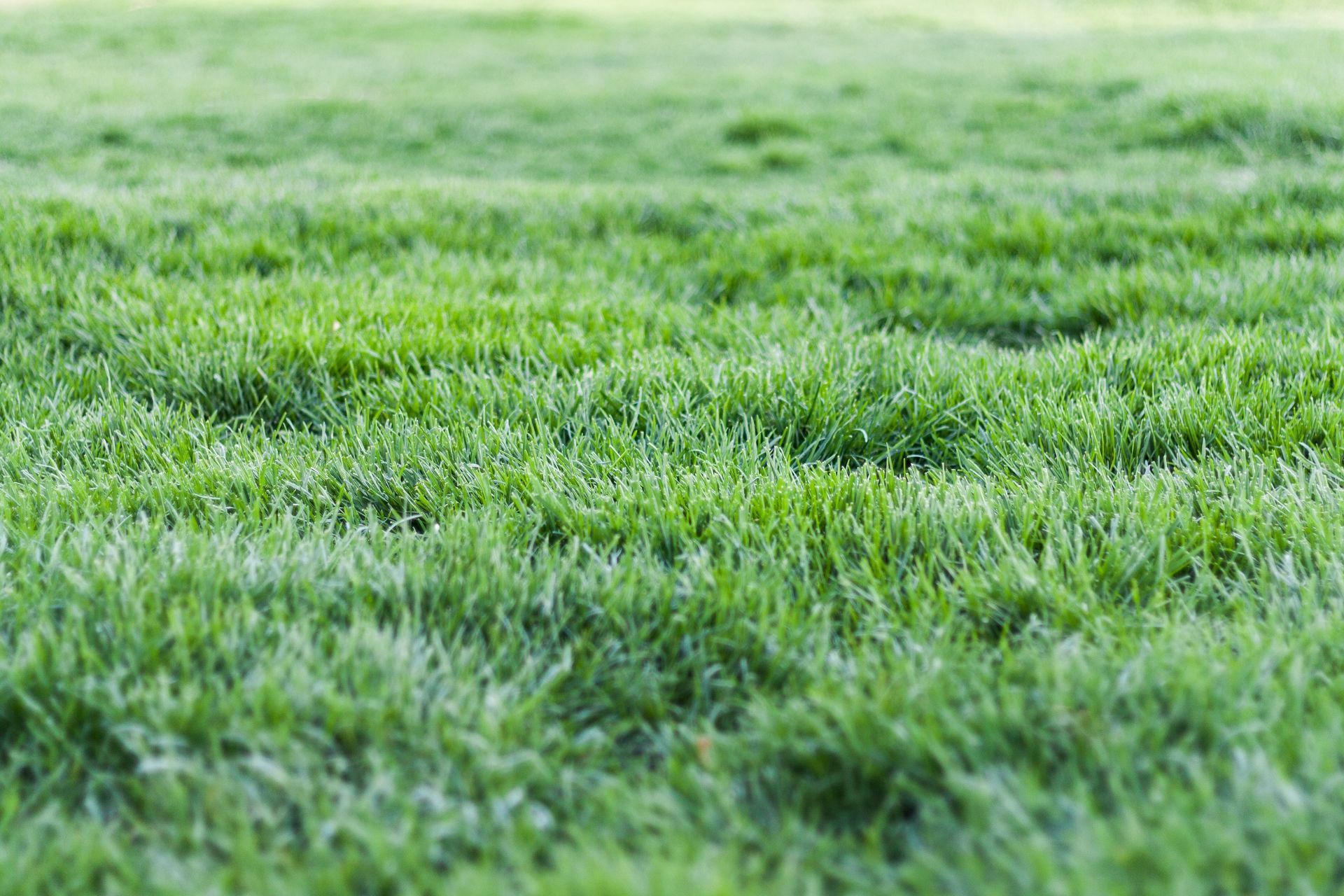
As temperatures begin to cool, many homeowners assume lawn care season is winding down. In reality, fall and winter are some of the most important times to protect your lawn for the year ahead. At Top Notch Turf & Pest, we recommend fall and winter pre-emergent weed control treatments to help homeowners in Houston, Texas and Central Arkansas maintain healthier, thicker, and more attractive warm-season lawns.
What Is a Pre-Emergent?
A pre-emergent herbicide is designed to stop weeds before they ever break through the soil surface. Unlike post-emergent products that kill existing weeds, pre-emergents create a protective barrier in the soil that prevents weed seeds from germinating.
Think of it as preventative medicine for your lawn. Instead of battling weeds all winter and spring, you stop them before they become a problem.
Why Apply Pre-Emergent During Dormancy?
Warm-season grasses such as Bermuda, St. Augustine, Zoysia, and Centipede naturally slow down and enter dormancy as temperatures drop. While your grass is resting, many troublesome winter weeds are just getting started.
Common weeds that germinate in the fall include:
- Annual bluegrass (Poa annua)
- Henbit
- Chickweed
- Rescuegrass
- Clover
- Annual ryegrass
- Spurge
By the time you see these weeds growing, they have already become established and are much harder to control. Applying a pre-emergent during the fall prevents these weeds from gaining a foothold in your lawn.
Benefits for Houston Homeowners
Houston's mild winters create ideal conditions for winter weeds. Because the ground rarely freezes, weed seeds can germinate throughout much of the season.
Benefits of fall and winter pre-emergent applications in Houston include:
Fewer Weeds All Season Long
Stopping weeds before they emerge dramatically reduces the number of weeds competing with your turf.
Better Spring Green-Up
When Bermuda, St. Augustine, and Zoysia come out of dormancy, they have less competition for sunlight, water, and nutrients.
Reduced Need for Herbicide Treatments
A strong pre-emergent program can lower the need for multiple post-emergent applications later in the year.
Healthier Root Systems
With fewer weeds taking resources from the soil, turfgrass roots can develop more efficiently and store energy for spring growth.
Why Central Arkansas Lawns Need Pre-Emergent Too
Central Arkansas experiences cooler winters than Southeast Texas, but winter weeds are still a major challenge. In fact, many weeds thrive in Arkansas's cool, moist conditions.
A fall pre-emergent application helps:
- Prevent winter annual weeds before they emerge
- Maintain a cleaner lawn throughout the dormant season
- Reduce weed pressure during spring green-up
- Protect lawn density and appearance
For Arkansas homeowners, timing is crucial. Applying pre-emergent before soil temperatures consistently fall into the weed germination range offers the best results.
Weed Prevention Is Easier Than Weed Removal
Many homeowners wait until weeds become visible before taking action. Unfortunately, that approach often leads to:
- More herbicide applications
- Increased lawn stress
- Higher maintenance costs
- Thinner turf
Preventing weeds before they emerge is more effective and typically more economical than trying to eliminate mature weeds later.
Timing Matters
The effectiveness of a pre-emergent treatment depends heavily on timing.
For most warm-season lawns:
- Fall applications target winter annual weeds.
- Winter follow-up applications help extend protection.
- Early spring applications prepare the lawn for summer weed pressure.
At Top Notch Turf & Pest, we monitor local weather and soil conditions to ensure treatments are applied at the optimal time for both Houston-area and Central Arkansas properties.
The Top Notch Difference
A successful weed control program requires more than simply spreading product. Proper timing, product selection, application rates, and lawn-specific recommendations all contribute to achieving superior results.
Our team develops customized treatment plans based on:
- Grass type
- Property conditions
- Regional climate
- Existing weed pressure
- Lawn health goals
Whether you have a Bermuda lawn in Houston or a Centipede lawn in Central Arkansas, our pre-emergent program is designed to help your turf stay healthier and look its best year-round.
Schedule Your Fall Pre-Emergent Today
Don't wait until weeds take over your lawn. Fall and winter pre-emergent applications are one of the most valuable investments you can make in the health and appearance of your property.
If you're located in the Houston, Texas area or Central Arkansas, contact Top Notch Turf & Pest today to schedule your pre-emergent treatment and give your lawn a head start on a weed-free spring.
Top Notch Turf & Pest
Taking lawn care and pest control off your to-do list, one season at a time.